Renewable Energy

Regarding the renewable energy sector

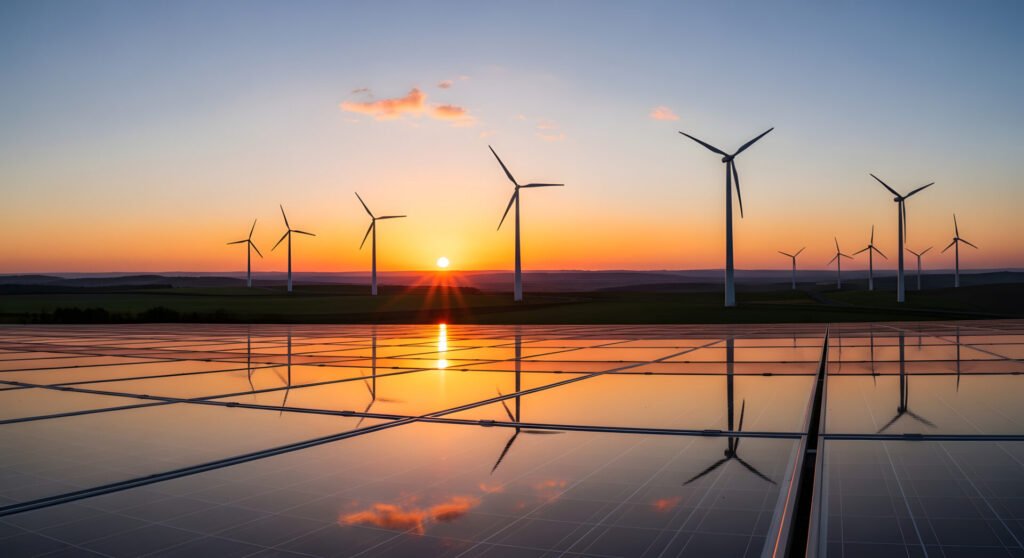
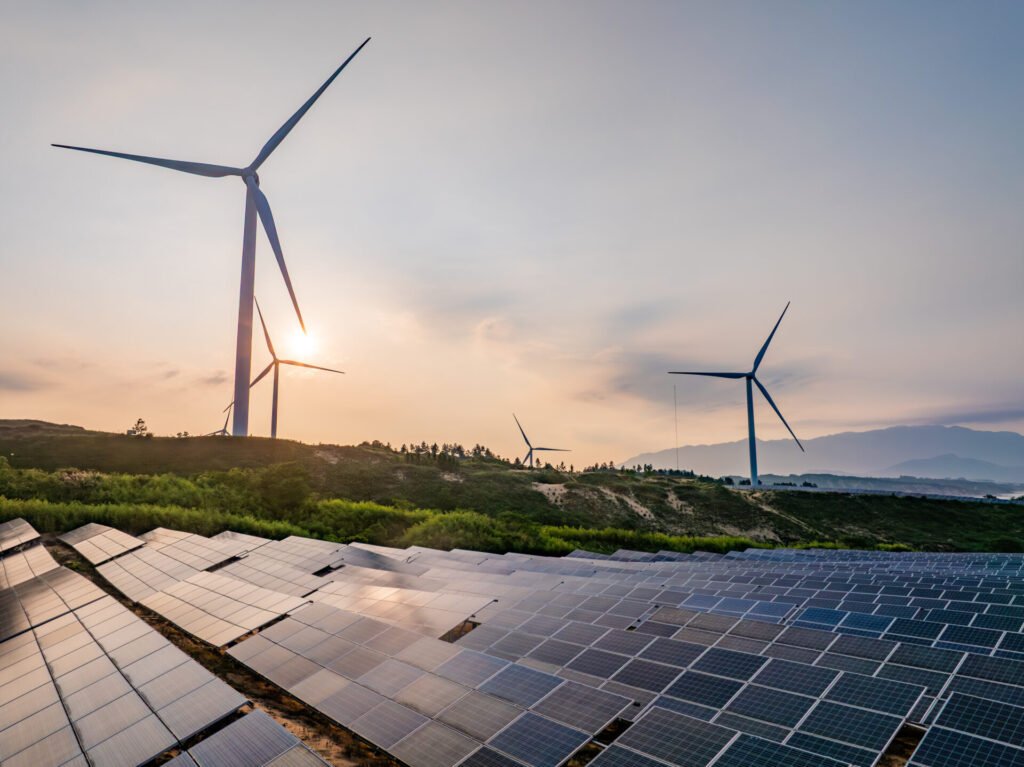
Brazil is consolidating its position as a clean energy powerhouse, with over 80% of its electricity matrix already renewable and projections for accelerated growth. The renewable energy market could reach over US$60 billion by 2033, driven by the increased share of the free energy market, the abundance of natural resources, and the expansion of new industrial applications—especially green hydrogen and hybrid wind-solar systems. This expansion demands increasingly robust and reliable equipment, operating in harsh environments with high mechanical, thermal, and tribological demands.

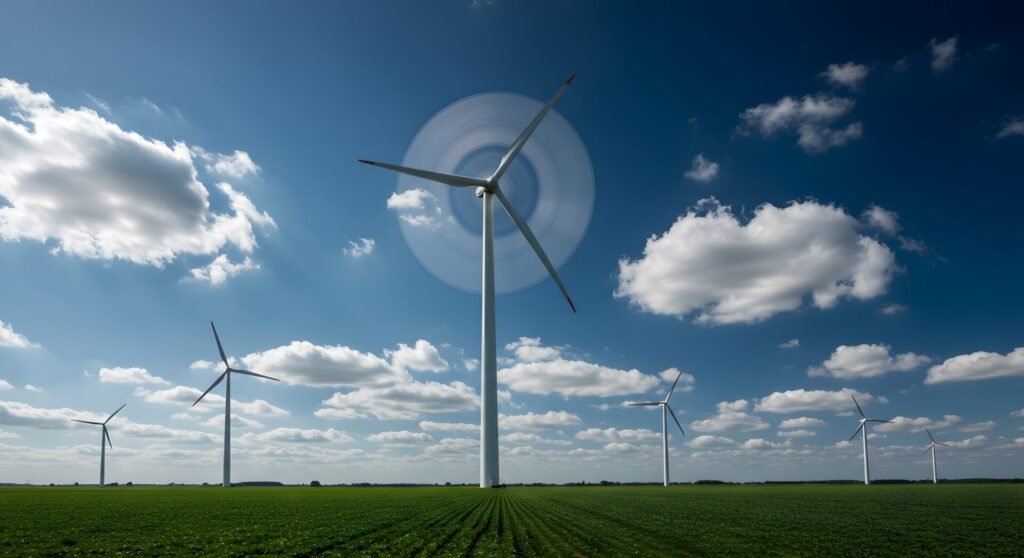
The wind energy sector remains one of the pillars of the energy transition. The country has some of the best wind regimes in the world, allowing for larger, more efficient turbines and hybrid parks with solar. With the advancement of data centers, energy-intensive industries, and projects associated with green hydrogen, the sector’s demand tends to grow exponentially. Aligned with the high energy demand, the operating conditions of critical components – such as shafts, gears, pitch/yaw systems, bearings, and transmission elements – are becoming increasingly severe; consequently, resistance to fatigue, corrosion, and wear becomes essential for operation.

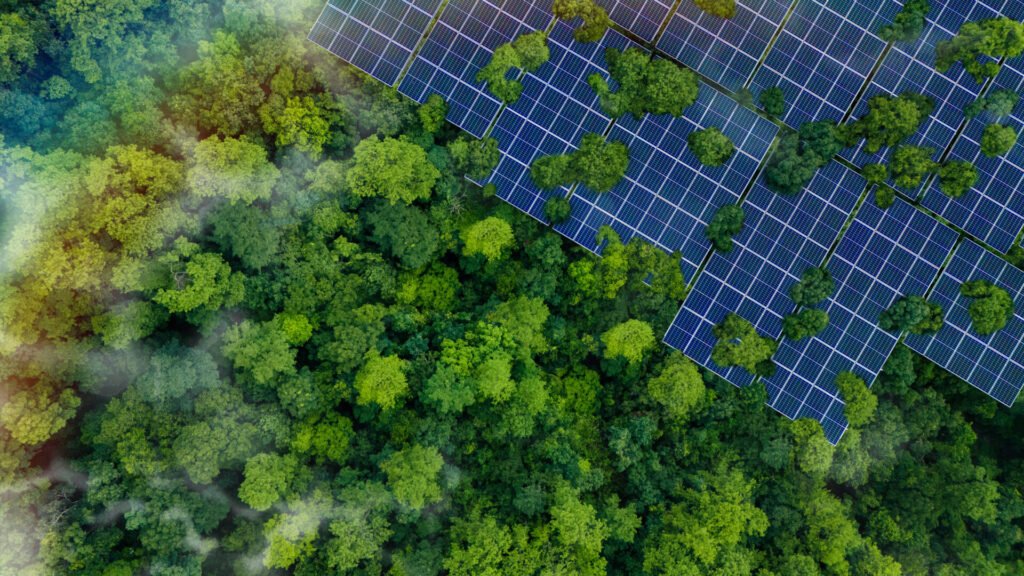
The solar energy sector is the fastest growing in the country, both in terms of power plants and distributed generation. The continuous drop in the cost of modules and the expansion of storage systems are driving its competitiveness. Structures and tracking systems (trackers), shafts, joints, and actuators operate under wear, friction, extreme environmental exposure, and repetitive movements—requiring treatments that reduce friction, increase durability, and prevent failures.

Equally important is the green hydrogen sector, in which Brazil emerges as a natural candidate to become a global hub for the production and export of green hydrogen, leveraging its already renewable energy matrix. Pumps, valves, compressors, electrolysis equipment, and high-pressure systems operate under severe conditions, including contact with hydrogen, corrosion, cavitation, adhesive wear, and thermal stresses—an ideal scenario for advanced surface engineering solutions.

HEF supports the development of the sustainable energy market through technologies that enhance the reliability and durability of critical components:

CLIN™ nitrocarburizing (ARCOR®, SURSULF®, TENIFER®, QPQ) — improves resistance to wear, fatigue, and corrosion (400h NSST), and is compliant with REACH standards. Among the components treated, the following stand out: components of the braking and movement system of wind turbines, and solar stabilizer rods.

PVD/PACVD coatings – CERTESS® — high-performance layers composed of different materials (Cr, CrN, WC, WCC) combined with a top layer of hydrogenated amorphous carbon (a-C:H), with a hardness of up to 3000 HV, excellent friction properties (low friction), excellent dimensional accuracy (a few microns thick), and optimal performance in non-lubricated environments. Among the treated components, wind turbine bearing components stand out.

With over 70 years of expertise in tribology and surface engineering, HEF positions itself as a strategic partner in the energy transition, adding technology and reliability to the systems that underpin the future of clean energy in Brazil.