ESG

Committed to the planet, driven by innovation: discover the sustainable initiatives of the HEF Group that are transforming the industry.

Mission

To be a leader in the market for chemical products intended for thermal and thermochemical treatments, aiming to ensure the expectations of Customers, Employees, Shareholders and the Community where we operate.

Vision

To guarantee market leadership through growth, with security and solidity, providing greater opportunities for professional development to employees.
As a company with a global vision, to operate in the international market and always be open to new investment opportunities.

Values

Customers, employees, suppliers, and shareholders are fundamental pillars of our work. We operate with a focus on quality and technology, always maintaining the seriousness and tradition that characterize us.

HEF Group in Brazil: Commitment to Sustainability

HEF conducts its activities based on environmental, social, and governance (ESG) sustainability principles, ensuring that each stage of its industrial processes is aligned with best management practices and legal compliance. Environmental commitment is an integral part of the corporate strategy, guiding decisions that promote operational efficiency, safety, and socio-environmental responsibility.

Compliance with legal requirements

The HEF Group maintains full compliance with applicable environmental laws and regulations, acting continuously and transparently with regulatory bodies and other competent entities.

Systematic controls, internal audits, and periodic license reviews are carried out to ensure compliance with legal requirements, including aspects such as control of atmospheric emissions, effluents, waste management, and safe storage of chemicals.

Selective collection and waste management

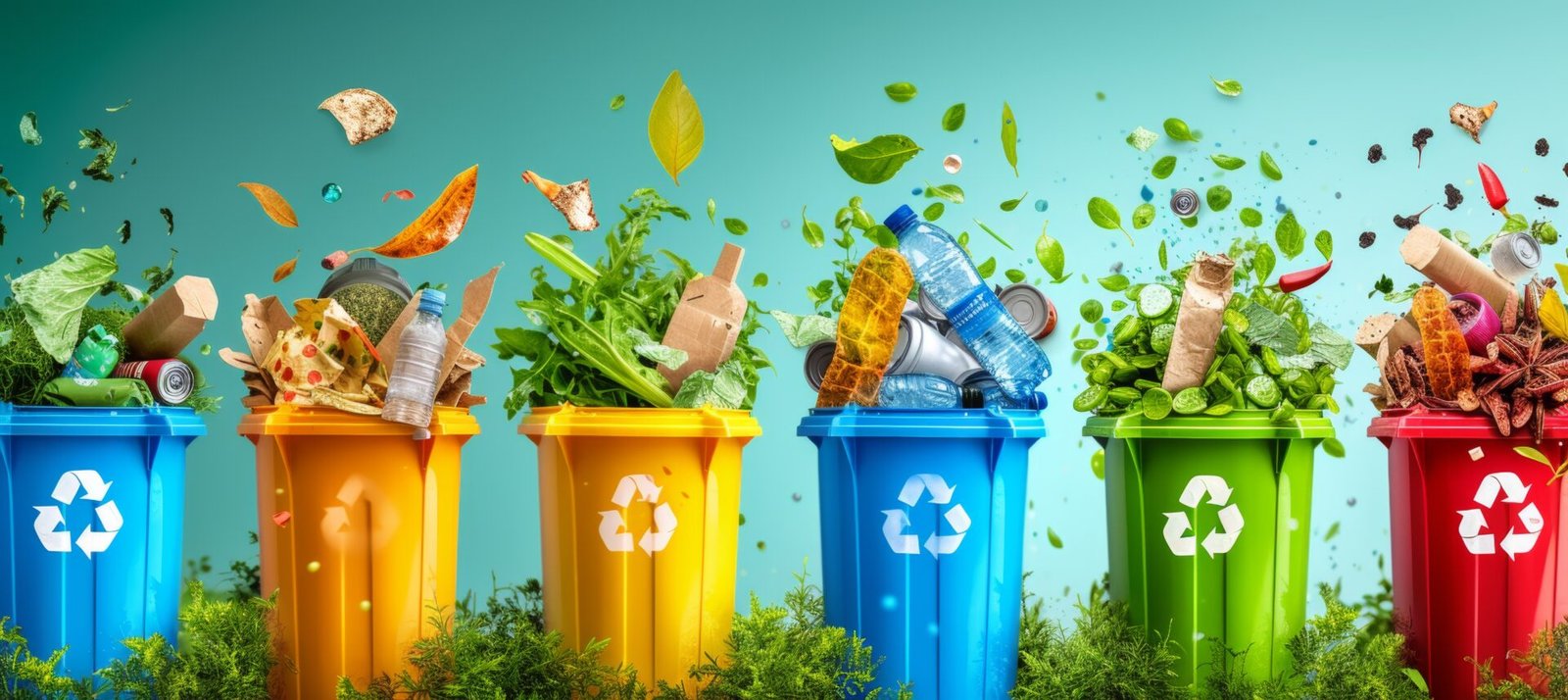
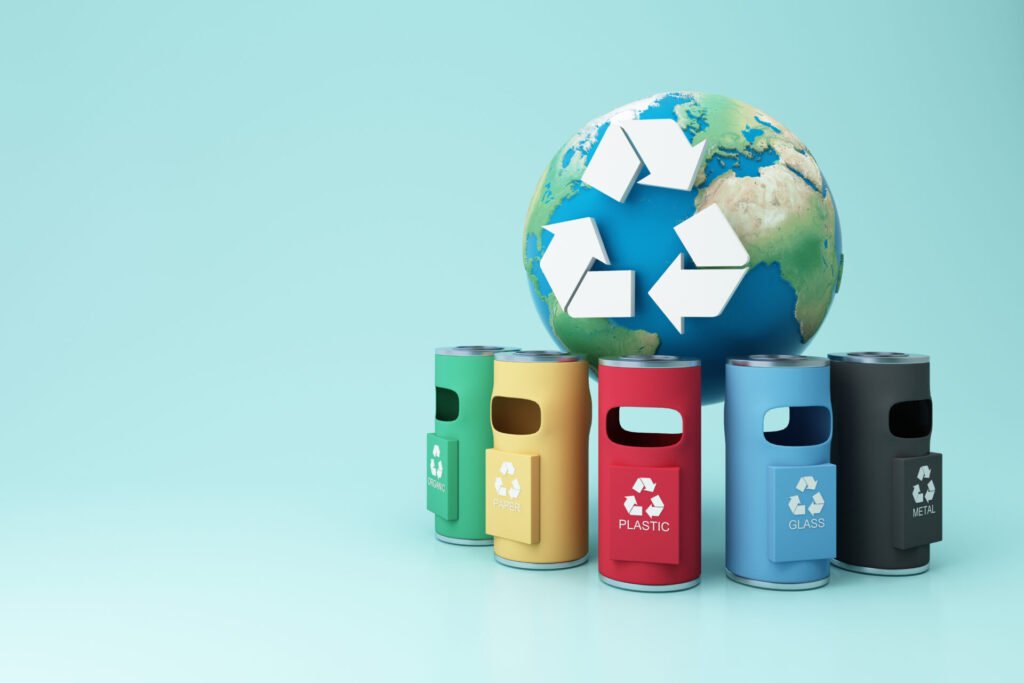
The company has a standardized selective collection system that ensures the correct segregation of waste at the source (recyclable, non-recyclable, and hazardous).

The materials are identified, stored according to technical standards, and sent for recycling, co-processing, and other licensed technologies. This practice is accompanied by periodic training and environmental awareness campaigns aimed at employees and service providers.

Reducing waste generation

We adopt a preventative approach to environmental management, prioritizing the minimization of waste generation at the source through the following actions:

  • Optimization of production processes, with reduction of losses and reuse of inputs;
  • Monitoring environmental performance indicators to track the effectiveness of actions;
  • Projects for reusing/recycling industrial solutions and inputs, reducing the need for disposal and consumption of new resources.

Circular economy and resource valorization

Companies are adopting the concept of a circular economy as a strategic foundation, promoting the reuse of materials and the reintegration of waste into the production cycle whenever technically feasible.

Initiatives such as the recovery of industrial salts, regeneration of treatment baths, and reuse of packaging exemplify the commitment to closing material loops, reducing the extraction of natural resources.

These practices contribute directly to meeting environmental goals and strengthening a corporate culture focused on sustainability.

Compliance and stakeholder relations

The Group maintains a transparent and ethical relationship with its stakeholders, including clients, employees, suppliers, the community, and regulatory bodies. Environmental communication is guided by the accuracy of information, traceability of data, and documentary compliance, ensuring the credibility of reports and indicators.

Constant dialogue with stakeholders guides decision-making and reinforces the company’s commitment to governance and social responsibility.

Prevention and non-generation of environmental liabilities.

Through continuous monitoring and preventive control practices, the HEF Group ensures that its facilities do not generate environmental liabilities. Containment and waterproofing systems are adopted, along with periodic inspections of storage areas, contingency plans, and preventive maintenance programs. This integrated approach to environmental management reduces risks, ensures operational compliance, and preserves the integrity of the soil, water, and air in the areas where the company operates.


Testimonials

Careers