Home > Special Paintings
The HEF group offers the market the TEGLISS® line of coatings, developed from fluoropolymers, polyimides, and thermoplastic polymers. These solutions are applied to prevent seizing, reduce friction, increase resistance to corrosion and abrasion, and provide electrical insulation.
Each formulation has specific properties, allowing its use in different industrial contexts. With proven results, TEGLISS® technologies are employed in sectors ranging from Oil & Gas to domestic use, encompassing applications in molds, valves, food processing equipment, textile industry machinery, household appliances, among many others.
The following are the TEGLISS® coating families developed by the HEF group, along with their essential characteristics.
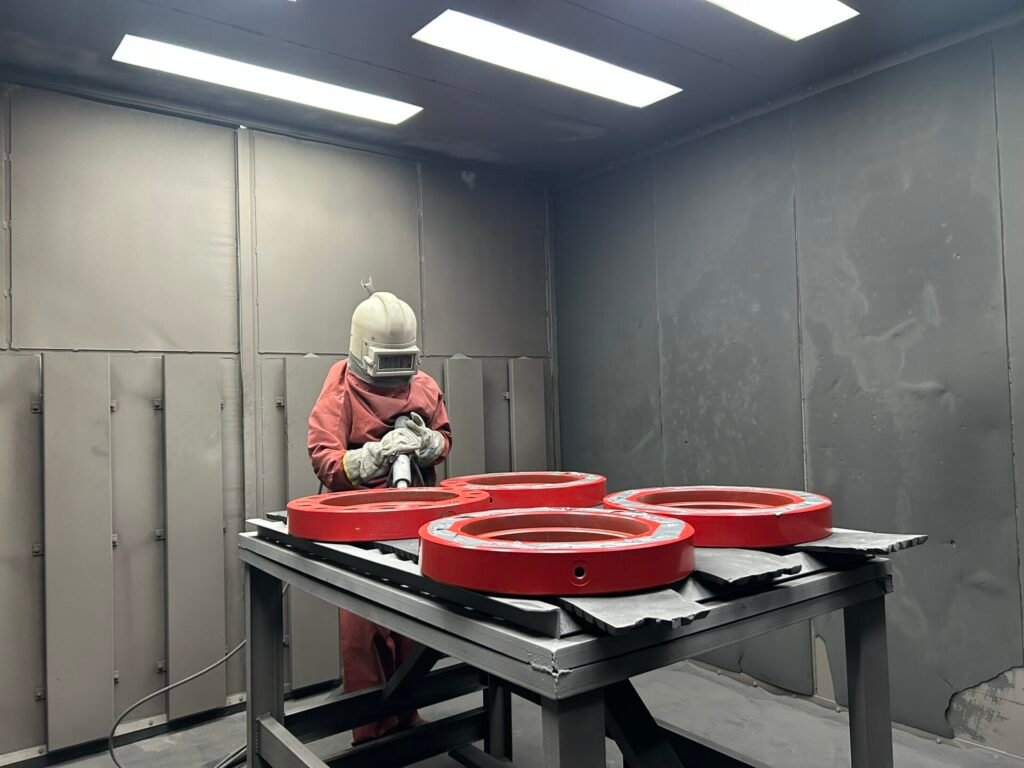
The SDA® coating line developed by the HEF group consists of organic base layers designed to provide low friction and solid lubrication. Made from thermosetting resins combined with solid lubricants—such as molybdenum disulfide—these coatings create a film on the contact surface, resulting in solid-on-solid friction and ensuring greater tribological efficiency. Among its advantages are corrosion protection, reduced wear and friction, and effective solutions for noise and vibration problems. Its applications span various sectors, including firearm magazines, dry-running gears, components for the oil and gas industry, as well as compressor and turbine blades, among other industrial elements.
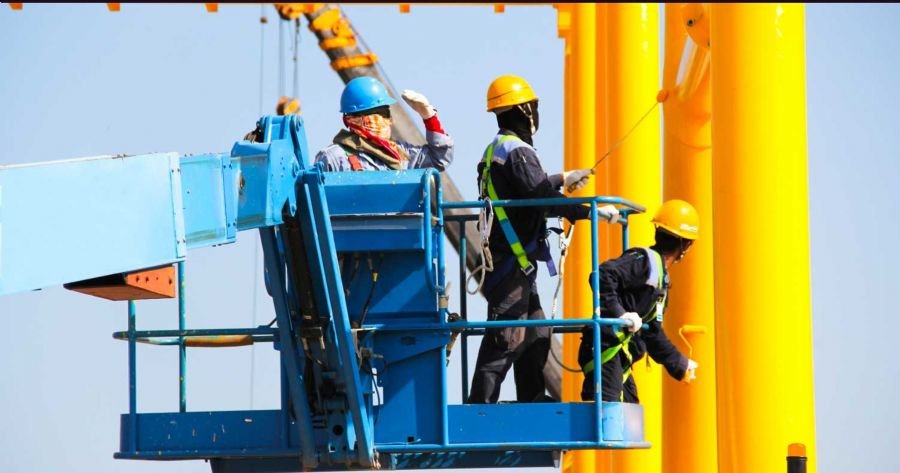
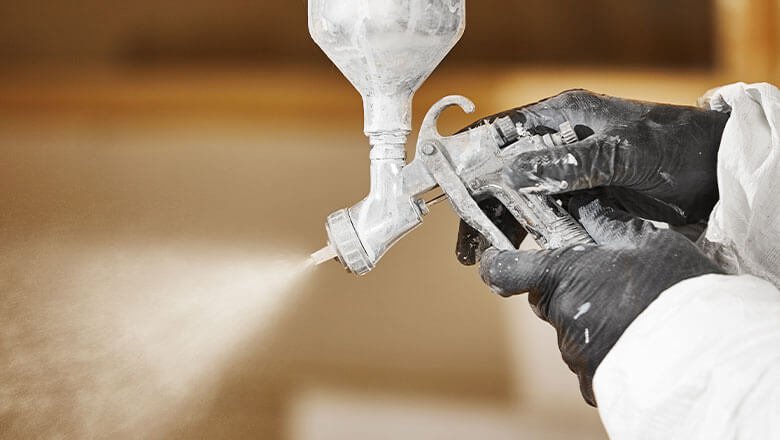
The ROMAX® coating line from the HEF group comprises organic systems formulated from different polymer matrices, such as epoxy, acrylic, vinyl, polyurethane, and polyester, selected according to the specific requirements of each application. Available in liquid or powder form, they can be supplied in a wide range of colors, including custom colors. Depending on their formulation, ROMAX® coatings offer high anti-corrosion protection, electrical insulation, and electromagnetic shielding, as well as resistance to friction and surface mechanical contact. This is a versatile solution, applicable in both functional and decorative contexts, allowing for thick layers (up to approximately 300 µm) as well as multilayer application. They are compatible with various types of substrates, including components previously subjected to galvanizing processes.
Due to the variety of properties they offer, ROMAX® technologies meet diverse industrial needs, with typical applications in:
Industrial fans
Generator set components
Engine casings
Screws and fasteners
Submarine components
Phosphating surface treatments are part of the portfolio of surface engineering and tribology solutions offered by the HEF group. Available in manganese or zinc-based versions, these treatments are versatile solutions for ensuring corrosion resistance in parts, either as a base for the adhesion of organic coatings (Tegliss®, SDA®, Graphlub®), or in combination with lubricants to reduce friction in metal forming processes such as wire drawing, stamping, or cold forging, significantly increasing tool durability and operational productivity. Furthermore, phosphating is applied to reduce friction in various moving components of machines, vehicles, and transmission systems. Phosphating types can be applied in the oil and gas, machinery and components, and automotive sectors.
Phosphating treatments can be applied to cast iron, steel (including case-hardened, tempered, or nitrided steel), aluminum alloys, zinc, and cadmium-plated parts. The following are the phosphating processes offered by the HEF group: